
Homes in the greater Philadelphia area face flood risks that often go ignored until it’s too late. If your basement is prone to dampness or you’ve noticed water pooling on your property after a storm, this is something to think about. Find out what a sump pump does and how to tell if your Pennsylvania home could benefit from installing one.
What Is a Sump Pump & What Does It Do?
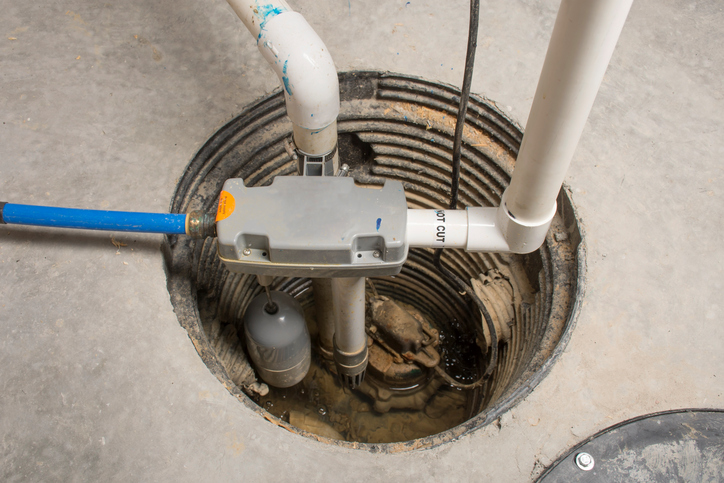
A sump pump is a device installed in a sump pit, which is dug in the lowest point of a home, usually the basement or crawl space. The pump activates when water enters the pit due to groundwater seeping in or rain collecting under the foundation.
The system uses a float switch to detect rising water. Once it reaches a certain level, the pump turns on and directs the water through a discharge pipe to a drainage location away from the home.
Pennsylvania’s Weather & Flood Risks
Greater Philadelphia sees a fair amount of precipitation over the year, making sump pumps a practical safeguard against flooding. Here’s what to consider:
- Philadelphia averages 40 inches of rain and over 20 inches of snow annually. Precipitation is fairly consistent throughout the year, with May through August being the wettest months.
- Climate change is increasing heavy downpours. Since the 1950s, extreme storm precipitation in the Northeast has risen dramatically. More winter and spring rain, combined with earlier snowmelt, intensifies flood risks.
- Flash floods continue to cause damage. July 2023 brought severe flooding to parts of eastern Pennsylvania, with millions of dollars in losses and dozens of people displaced.
- In nearby Berks County, modeling shows that 17% of properties have an 80% or higher chance of flooding over the next 30 years.
Local governments continue to issue updated flood maps and encourage homeowners to take protective steps. Installing a sump pump is an important step to respond to the increasing risks associated with Pennsylvania’s wet weather.
How To Tell if Your Home Needs a Sump Pump
It never hurts to install a sump pump, even if your flood risk is low. However, you should make it a top priority if any of the following apply:
- Your home has a below-ground level, including a basement or crawl space, which makes it more susceptible to groundwater buildup.
- Your home sits at the bottom of a slope, allowing water from surrounding properties to flow toward your foundation.
- You live near a body of water, which raises the risk of groundwater intrusion.
- Your property has clay-heavy soil or poor drainage.
- You’ve noticed past signs of wetness, such as damp walls, musty smell, mineral stains, or standing water.
- Your home has required a cleanup from water damage before.
Benefits of Installing a Sump Pump
Sump pumps are simple but effective. Once installed, they work in the background and activate only when needed. Here’s what this investment can do for you:
- Protect your basement: A pump clears out rising water before it floods your basement and damages your belongings.
- Prevent mold: Dry environments are less likely to support mold growth.
- Reduce costs: Preventing water damage keeps you from filing insurance claims and may lower your home’s long-term maintenance costs.
- Grant peace of mind: The next time a storm rolls in, you’ll rest easy, knowing your sump pump is guarding your basement.
Schedule Sump Pump Services With Our Team Today
Unique Indoor Comfort installs sump pumps in the greater Philadelphia area. We offer free estimates and emergency repairs to keep your flood risk low. Every technician on our team is highly trained, and we bring a level of honesty and professionalism that our customers appreciate. Count on us for quality work, open communication, and long-term support.
Ready to schedule your sump pump installation? Contact us today to get started!